Author: talktodonnajones

  • Rare Disorders and Their Unique Paths to Treatment

    Rare Disorders and Their Unique Paths to Treatment

    When it comes to rare disorders, each condition often requires a highly specialized approach to diagnosis and care. Unlike common illnesses with established treatment plans, rare disorders challenge both patients and healthcare providers to explore individualized solutions. From complex genetic syndromes to conditions that affect only a small group of people worldwide, understanding their unique treatment paths can shed light on how medicine continues to evolve.

    Even some more familiar conditions, like certain eating disorders or chronic snoring, have distinctive underlying causes that make their treatment journeys unique. Let’s explore how medical experts manage these uncommon and challenging conditions while improving patients’ quality of life.

    Genetic Disorders: Precision Medicine in Action

    Genetic disorders are among the most challenging conditions to diagnose and treat because they often involve mutations that alter how the body functions at a cellular level. Advances in genomics have allowed doctors to develop precision medicine—an approach that tailors treatment to an individual’s unique DNA profile. This means therapies can now be designed to target the specific gene mutation causing the disorder, rather than treating symptoms alone.

    For example, certain enzyme replacement therapies and gene-editing techniques have offered hope to patients with conditions like cystic fibrosis or Gaucher disease. While research is still ongoing, early results are promising and point toward a more personalized future in medicine.

    Doctors and scientists continue to work together to uncover how these treatments can be safely adapted for widespread use. It’s an area where innovation and compassion meet to bring new possibilities to those who once had limited options.

    Autoimmune and Inflammatory Disorders: Balancing the Body’s Defense

    Autoimmune disorders occur when the body’s immune system mistakenly attacks healthy tissue, leading to chronic inflammation and discomfort. Conditions like lupus, scleroderma, and rheumatoid arthritis may share symptoms, but each requires a unique management plan to keep the immune response under control. Modern treatment often includes a mix of immunosuppressive medications, dietary adjustments, and lifestyle changes aimed at reducing flare-ups.

    Researchers are also exploring biologic therapies that target specific immune pathways to minimize side effects while improving results. The challenge lies in finding the right balance—calming the immune system without weakening it too much. Because each case can vary widely, treatment plans are highly individualized and adjusted over time. With continuous monitoring and patient collaboration, many individuals find ways to live active, fulfilling lives despite these chronic conditions.

    Eating Disorders: A Journey of Mind, Body, and Recovery

    Eating disorders are complex mental and physical health conditions that require specialized care and understanding. While often misunderstood, they are not simply about food—they’re deeply tied to emotions, self-image, and control. Effective treatment involves addressing both the psychological and physiological aspects through a multidisciplinary approach. This includes therapy, nutritional counseling, and sometimes residential care for more intensive recovery needs.

    Facilities like Center for Change provide structured environments where individuals can safely rebuild their relationship with food and themselves. Recovery is rarely linear, but with compassionate guidance and medical support, many individuals rediscover balance and self-acceptance. Continued awareness and education remain essential to reducing stigma and encouraging those struggling to seek help early.

    Snoring and Sleep-Related Disorders: More Than Just a Nighttime Nuisance

    Snoring may seem like a common issue, but in some cases, it signals underlying conditions such as sleep apnea or airway obstruction. Persistent snoring can lead to poor sleep quality, fatigue, and even cardiovascular problems if left untreated. Modern approaches to treatment have moved beyond bulky machines and surgery, offering more comfortable, office-based solutions.

    Clinics such as GNO Snoring & Sinus focus on personalized care for patients experiencing snoring and other ear, nose, and throat conditions.By identifying structural or sinus-related causes, specialists can recommend minimally invasive treatments that improve breathing and sleep quality. Addressing snoring not only enhances rest but also prevents long-term health complications. With proper assessment and care, a peaceful night’s sleep becomes achievable once again.

    Rare Infectious Diseases: Combating the Unseen Threats

    Rare infectious diseases often emerge from uncommon pathogens or unusual environmental exposures, making them difficult to detect and treat. Conditions such as hantavirus, leptospirosis, or certain tropical infections can progress rapidly if not identified early. Because symptoms often mimic more common illnesses, accurate diagnosis relies on advanced laboratory testing and detailed patient history. Treatment typically involves a combination of targeted antibiotics, antiviral medications, and supportive care to manage complications.

    Public health efforts also play a vital role in preventing outbreaks through awareness and monitoring. Researchers are continuously studying these infections to develop vaccines and improve early detection tools. Though rare, these diseases remind us of the importance of global health collaboration and the ongoing need for vigilance in identifying emerging threats.

    Conclusion

    As research continues to expand, the treatment of rare disorders grows more hopeful and innovative. Advances in gene therapy, artificial intelligence, and precision diagnostics are helping doctors identify effective treatments faster than ever before. Collaboration between global researchers, advocacy groups, and patients has also accelerated progress, making rare disease care more accessible. Each success story serves as a reminder that even the rarest conditions deserve attention, compassion, and resources.

    Whether through genetic medicine, mental health treatment, or improving everyday conditions like snoring, the healthcare field is evolving to meet every unique need. The path may be different for each patient, but the goal remains the same—to improve quality of life and foster hope for all.


  • Neuroplasticity in Aging: Maintaining Cognitive Vitality

    Aging is often associated with memory loss and cognitive decline, but growing research shows that the brain remains capable of change and adaptation throughout life. This remarkable ability, known as neuroplasticity, allows the brain to form new connections, reorganize itself, and even compensate for damage. By understanding and nurturing neuroplasticity, older adults can maintain mental agility and preserve cognitive vitality well into later years.

    Understanding Neuroplasticity in the Aging Brain

    Neuroplasticity refers to the brain’s ability to modify its structure and function in response to experiences, learning, and environmental factors. While neuroplasticity tends to slow with age, it never stops entirely. The key is to engage in activities that stimulate the brain and support overall health, helping neurons continue to form and strengthen connections.

    Regular cognitive challenges, physical exercise, and emotional well-being all contribute to maintaining brain flexibility. This means that lifestyle choices play a critical role in how the brain adapts and performs as we age.

    Habits That Support Cognitive Vitality

    1. Keep learning and stay mentally active.
    Engage in new experiences that require problem-solving or creativity, such as learning a language, taking up painting, or playing a musical instrument. These activities stimulate different areas of the brain, encouraging growth and connectivity.

    2. Exercise regularly.
    Physical activity increases blood flow to the brain and promotes the release of neurotrophic factors that enhance neuron growth. Even moderate activities like walking or dancing can improve memory and focus.

    3. Foster social connections.
    Interacting with others stimulates emotional and cognitive centers in the brain. Maintaining friendships, volunteering, or joining group activities helps reduce stress and supports mental health.

    4. Prioritize nutrition and rest.
    A diet rich in omega-3 fatty acids, antioxidants, and vitamins nourishes the brain, while quality sleep allows it to repair and store new information effectively.

    Final Thoughts

    Neuroplasticity offers hope for aging minds. By embracing continuous learning, movement, and connection, older adults can strengthen their cognitive resilience, enhance memory, and enjoy a more vibrant, engaged life at any age.

    This post was written by a professional at Neuroplasticity St Pete. At Neuroplasticity St Pete, we specialize in functional medicine, combining acupuncture and chiropractic care to help you achieve optimal health. As a leading chiropractor Gulfport, we begin with an in-depth intake, assessing your body, brain, pain, and goals to create a tailored plan. We utilize cutting-edge Upper Cervical Adjustments, Functional Neurology, and Chiropractic techniques to activate your brain’s healing potential. Unlike traditional medicine, we address root causes, not just symptoms. Our patient-centered, results-driven model empowers you to choose the best path for your wellness journey. Experience the future of healthcare—holistic, personalized, and transformative.

  • Why THCA Flower Is Taking Over the Hemp Market

    Why THCA Flower Is Taking Over the Hemp Market

    If you’ve been paying attention to the hemp scene lately, you’ve probably noticed one product dominating shelves and online carts: THCA flower. So, why THCA flower and not the usual CBD buds or even Delta-8? The answer is simple—it hits that sweet spot between legality and potency. And at Uplift CBD, we’ve seen firsthand why this cannabinoid is turning heads across the country.

    THCA (tetrahydrocannabinolic acid) is the raw form of THC. It’s non-psychoactive until heat is applied, meaning in its flower form, it’s legally hemp under the 2018 Farm Bill—but once smoked or vaped, it converts to THC and delivers a full-blown experience. That’s why THCA flower has become a go-to for people looking for the real deal without shopping in a dispensary.

    The Best of Both Worlds

    So why THCA flower over other hemp-based options? It’s all about flexibility. When you buy quality THCA flower—like what we offer here at Uplift CBD—you’re getting something that walks the legal line but performs like top-shelf cannabis. For many customers, it’s the closest thing to traditional THC flower available in non-legal states.

    Another reason? It’s just more satisfying. Compared to Delta-8 or CBD-rich strains, THCA flower smells, tastes, and feels like classic cannabis. It offers the entourage effect, giving you not just the high but the full spectrum of terpenes and cannabinoids that make each strain unique.

    Why Uplift CBD Customers Are Making the Switch

    At Uplift CBD, we’ve seen a huge spike in interest around THCA flower. People want something strong, natural, and easy to understand. We make sure our products are lab-tested, clearly labeled, and always fresh. Whether you’re new to hemp or switching from dispensary-grade cannabis, our THCA selection is built to impress.

    Why THCA Flower Is Here to Stay

    It’s no mystery why THCA flower is shaking up the hemp market—it bridges the gap between wellness and enjoyment, legality and effect. If you’re looking for something that checks all the boxes, THCA flower is the real MVP.

    Still got questions? Hit us up at 727-498-8543 or browse Uplift CBD’s THCA collection. We’ve got the good stuff—no sketchy labels, just real hemp done right.

    This article was written by a CBD Specialist at Uplift CBD. At Uplift CBD, we strive to provide our customers with the highest level of satisfaction by providing the best quality products.

    We source our naturally occurring cannabinoids from only premium USA hemp farms. Our THCA flower pound is hand-made and carefully formulated to promote a legal, safe alternative to Delta 9 marijuana. They are grown and extracted in the USA. Because our CBD products are 100% natural and derived from the Non-GMO industrial hemp plant, they are legal for sale across all 50 states of the USA. Independently lab tested for purity and concentration; no other company has the quality and quantity of natural cannabinoids in our products for the same value! Shop our products today!

  • Delta 8 THC: What It Is, How It Feels, and Why It’s Legal in Most States

    Delta 8 THC: What It Is, How It Feels, and Why It’s Legal in Most States

    Delta 8 THC has been making waves across the hemp world, and if you’ve seen it online or at your local smoke shop, you might be wondering what all the hype’s about. Is it just another trend, or is there something to this milder version of THC? Let’s clear things up.

    So, What Exactly Is Delta 8 THC?

    It’s a cannabinoid found in hemp that’s closely related to Delta 9 THC the main psychoactive compound in cannabis.

    The difference? Delta 8 is like Delta 9’s easygoing cousin. You’ll still get those calming, euphoric effects, but without the intensity or anxious side effects that some people feel from regular THC.

    Why People Love Delta 8

    Most folks describe it as a smoother high—one where you can chill out, stay functional, and actually enjoy the experience without overthinking everything.

    Common Uses and Benefits

    It’s great for winding down, boosting your mood, or even sparking a bit of creativity. Some people also use it for minor aches, daily stress relief, or sleep support, though individual experiences can vary.

    Is Delta 8 THC Legal?

    Now, let’s talk legality. Thanks to the 2018 Farm Bill, hemp-derived cannabinoids are federally legal in the U.S. as long as they contain less than 0.3% Delta 9 THC.

    Check Your Local Laws

    Since Delta 8 THC is made from legal hemp, it’s legal in most states. A few have banned it, so be sure to check your local regulations before ordering or using it.

    Utoya Organics: Your Trusted Delta 8 Source

    At Utoya Organics, we’ve been producing premium hemp products since 2018. Our Delta 8 lineup is clean, potent, and lab-tested to ensure you’re getting the real deal every time.

    Products That Fit Your Vibe

    Whether you’re new to Delta 8 or already a fan, we’ve got gummies, vapes, tinctures, and more to fit your vibe.

    Have questions? Give us a call at 813-697-4747 or visit Utoya online—your trusted source for all things hemp and Delta 8 THC.

    This post was written by a professional at Utoya Organics. Utoya Organics is a producer, developer and manufacturer of hemp-derived products. Buy Delta 8 THC, Delta 9 THC, THCP, HHC, THC-O, CBD, CBG, CBN, and more! We formulate our own products and distribute them all over the United States with over 400 locations nationwide. Utoya specializes in cannabinoid products such as edibles, flowers, tinctures, vapes, THCA hash for sale and more! All of our oil blends are Nano-Amplified to absorb faster (maximum bioavailability). All of our vaping products and hemp flowers are free of any solvents. No MCT, no alcohol, no vitamin E, no VG. Our cannabinoid distillates are never isolates, so it’s always golden in color and very effective. All third-party tested to meet compliance.

  • Whole Foods vs. Supplements: Finding the Right Balance for Your Body

    Whole Foods vs. Supplements: Finding the Right Balance for Your Body

    In a world where wellness is at the forefront, the debate between whole foods and supplements continues to grow. Should you rely on nutrient-rich meals, or are capsules and powders the best way to stay healthy?

    The truth is: both have their place and the key is finding the right balance for your body, lifestyle, and health goals.

    At Nutraive, we believe that nourishment starts with nature but can be supported by science. Let’s break down the benefits and limitations of each, and how to create a nutrition routine that works for you.

    What Are Whole Foods?

    Whole foods are unprocessed or minimally processed foods that retain their natural nutrients. Think:

    • Fresh fruits and vegetables
    • Whole grains like quinoa, oats, or brown rice
    • Legumes, nuts, and seeds
    • Lean proteins and fatty fish

    These foods are rich in vitamins, minerals, fiber, and antioxidants that your body can easily recognize and use.

    What Are Supplements?

    Supplements are concentrated forms of nutrients — such as vitamins, minerals, herbs, or amino acids — taken to fill nutritional gaps or support specific health needs.

    Common types include:

    • Multivitamins
    • Vitamin D, B12, Iron, Magnesium
    • Omega-3 capsules
    • Protein powders or green blends

    While supplements can be helpful, they’re not meant to replace a healthy diet they’re meant to enhance it.

    Whole Foods vs. Supplements: Pros and Cons

    Whole Foods: The Gold Standard

    Pros:

    • Contain fiber and phytonutrients that aid digestion and absorption
    • Offer a synergistic effect nutrients work better together in whole form
    • Support gut health and natural detoxification
    • Can reduce the risk of chronic diseases

    Cons:

    • Requires planning, prepping, and access to fresh foods
    • Nutrient density can vary due to soil quality or cooking methods
    • May not meet all needs for people with deficiencies or dietary restrictions

    Supplements: Strategic Support

    Pros:

    • Convenient and quick to take
    • Helpful for correcting deficiencies (e.g., Vitamin D, Iron, B12)
    • Essential for certain populations (e.g., vegans, pregnant women, elderly)
    • Can support athletic performance or recovery

    Cons:

    • Not always well-absorbed by the body
    • Overuse can lead to imbalances or side effects
    • Quality varies widely — not all supplements are created equal
    • Can’t replace the full spectrum of nutrients found in whole foods

    How to Find the Right Balance

    Every body is unique. Here’s how to strike the right balance between food and supplements:

    1. Start With a Whole Foods Foundation

    Build your meals around colorful produce, whole grains, lean protein, and healthy fats. The more variety, the more nutrient coverage you’ll get.

    2. Get Lab Work (If Possible)

    If you’re feeling fatigued, foggy, or off-balance, a simple blood test can reveal nutrient deficiencies that food alone might not cover.

    3. Supplement Strategically

    Use supplements to fill gaps not as a replacement for meals. For example:

    • Vitamin D in winter
    • B12 if you’re plant-based
    • Magnesium for sleep or stress support

    Always choose high-quality, third-party tested brands.

    4. Work with a Professional

    A registered dietitian, nutritionist, or integrative doctor can help tailor a plan to your specific needs, especially if you’re managing a health condition.

    Final Thoughts: Nourish with Intention

    Supplements can’t replicate the full complexity of whole foods — but when used wisely, they can play a valuable role in your wellness journey.

    At Nutraive, we believe in a food-first philosophy, supported by smart supplementation when needed. Whether you’re rebuilding your health, optimizing performance, or simply trying to feel your best every day balance is the key.

    Nourish naturally. Support strategically. Thrive completely.

  • The Gut-Brain Connection: How Nutrition Impacts Mental Health

    The Gut-Brain Connection: How Nutrition Impacts Mental Health

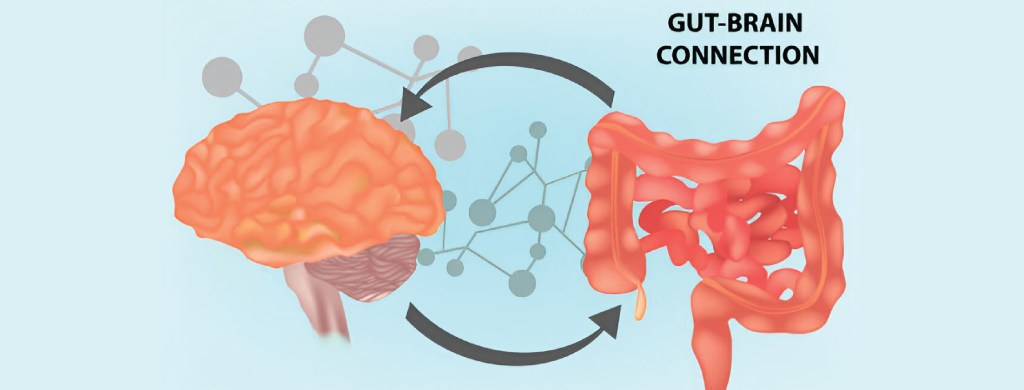
    We often think of the gut and brain as two separate systems — one responsible for digestion, the other for thought and emotion. But emerging science shows that these two powerhouses are deeply connected, influencing each other in ways that can shape your mood, focus, and emotional well-being.

    This powerful link, known as the gut-brain connection, highlights one essential truth: what you eat doesn’t just affect your body it also affects your mind.

    At Nutraive, we believe that true health is holistic. Understanding how nutrition supports mental health through the gut is key to building a more energized, balanced, and emotionally resilient life.

    What Is the Gut-Brain Connection?

    Your gut and brain are in constant communication via the gut-brain axis, a complex network of nerves, hormones, and biochemical signals. Central to this system is the vagus nerve, a direct line that allows your brain and digestive system to send messages back and forth.

    But the real magic happens in your gut microbiome the trillions of bacteria and microbes living in your digestive tract. These microorganisms don’t just help break down food they also:

    • Produce neurotransmitters like serotonin and dopamine
    • Regulate inflammation and immune responses
    • Influence stress, anxiety, and depression

    In fact, over 90% of serotonin, your “feel-good” neurotransmitter, is made in the gut.

    How Nutrition Affects Your Mood

    The foods you eat directly impact the health of your gut microbiome, which in turn influences your mental well-being. A diet full of whole, fiber-rich, plant-based foods can support healthy gut bacteria — while processed, high-sugar foods can disrupt this balance.

    Nutritional factors that support gut-brain health:

    • Fiber: Feeds beneficial gut bacteria and supports digestion
    • Healthy fats: Omega-3s reduce inflammation and improve mood
    • Fermented foods: Probiotics balance the gut microbiome
    • Antioxidants: Protect brain cells and reduce oxidative stress
    • B vitamins & magnesium: Essential for brain function and stress regulation

    Best Foods for a Happy Gut and a Healthy Mind

    1. Yogurt & Fermented Foods

    Rich in probiotics that help populate the gut with good bacteria. Try kimchi, kefir, sauerkraut, or miso.

    2. Leafy Greens

    Packed with folate, which supports serotonin production and brain health.

    3. Fatty Fish (like salmon or sardines)

    Loaded with omega-3 fatty acids, known to reduce depression and support cognitive function.

    4. Berries

    High in antioxidants and fiber, they protect your brain and feed healthy gut microbes.

    5. Whole Grains (like oats, quinoa, brown rice)

    Provide prebiotics fuel for your gut bacteria — and steady energy for your brain.

    6. Nuts & Seeds

    Full of healthy fats, magnesium, and amino acids that support mood and calm the nervous system.

    Lifestyle Tips to Support the Gut-Brain Axis

    • Stay hydrated – water helps with digestion and nutrient transport
    • Move daily – exercise improves both gut function and mental clarity
    • Reduce stress – chronic stress disrupts gut balance and increases inflammation
    • Limit processed foods – artificial additives and sugars can harm the gut lining
    • Sleep well – poor sleep throws off gut flora and affects emotional regulation

    Final Thoughts: Nourish from Within

    The food you choose affects far more than your waistline — it can influence how you think, feel, and respond to the world. A healthy gut can be a powerful ally in building mental clarity, emotional balance, and overall resilience.

    At Nutraive, we’re passionate about helping you heal, energize, and thrive through whole-body nutrition. Because when your gut is happy, your mind follows.

  • Smart Snacking: Nutrient-Dense Options to Keep You Energized

    Smart Snacking: Nutrient-Dense Options to Keep You Energized

    In our fast-paced world, snacking is often a grab-and-go affair a quick fix between meals. But smart snacking isn’t about mindless munching; it’s about choosing nutrient-dense foods that fuel your body and support sustained energy throughout the day.

    At Nutraive, we believe nutrition should be intentional, not complicated. With the right choices, snacks can become mini meals packed with energy-boosting nutrients that stabilize blood sugar, improve focus, and keep cravings in check.

    Let’s explore how to snack smarter and tastier every day.

    Why Smart Snacking Matters

    Snacking gets a bad rap, but when done right, it can:

    • Maintain steady blood sugar levels
    • Prevent energy crashes between meals
    • Curb overeating later in the day
    • Provide key nutrients your meals might miss
    • Support a healthy metabolism

    The key is to avoid processed, high-sugar, low-fiber snacks and opt for whole, balanced options instead.

    What Makes a Smart Snack?

    A nutrient-dense snack typically includes a balance of:

    • Protein – keeps you full and supports muscle health
    • Healthy fats – fuel your brain and regulate hunger
    • Fiber-rich carbs – provide steady energy and aid digestion

    Think: real food, minimal ingredients, maximum nourishment.

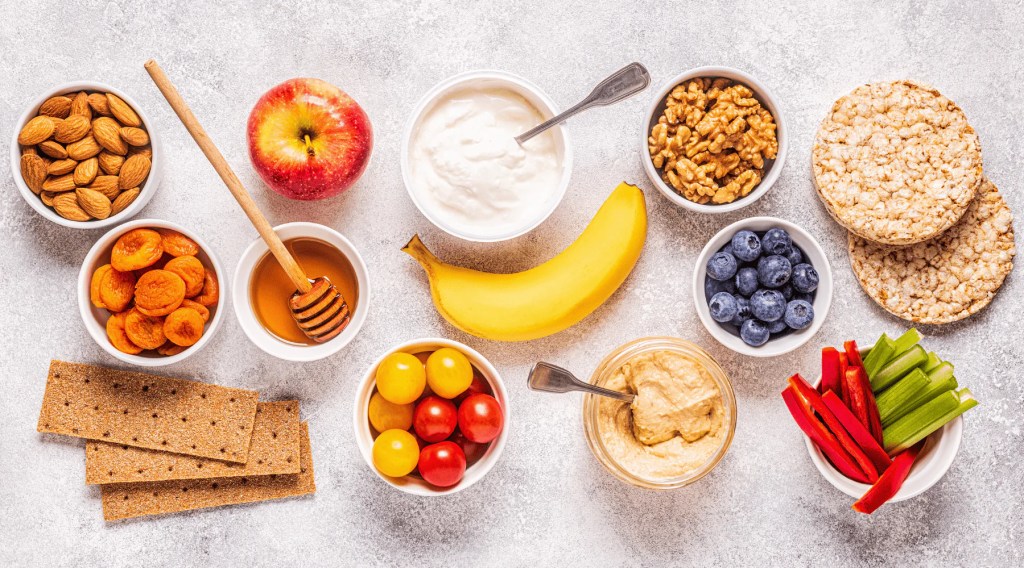
    Smart Snack Ideas to Keep You Energized

    1. Apple Slices + Nut Butter

    A classic pairing that provides fiber, healthy fats, and natural sweetness. Try almond or peanut butter for sustained energy.

    2. Greek Yogurt + Berries + Chia Seeds

    Packed with protein, antioxidants, and omega-3s. It’s a great post-workout snack or mid-morning refuel.

    3. Hummus + Veggie Sticks

    Carrots, cucumbers, and bell peppers dipped in protein- and fiber-rich hummus offer a savory, satisfying crunch.

    4. Hard-Boiled Eggs + Avocado

    Rich in protein and healthy fats, this combo keeps you full and focused for hours.

    5. Trail Mix (DIY-style)

    Mix raw nuts, seeds, and a bit of dried fruit. Avoid sugary store-bought blends make your own to keep it clean and energizing.

    6. Cottage Cheese + Pineapple or Sliced Peaches

    A sweet-and-savory mix loaded with protein and digestion-friendly enzymes.

    7. Oats Energy Bites

    Made with oats, nut butter, honey, and flaxseeds — no baking needed. Perfect for an afternoon energy lift.

    8. Rice Cakes + Mashed Avocado + Hemp Seeds

    Light, crunchy, and nutrient-packed — especially good for a quick savory snack.

    Tips for Smarter Snacking

    • Plan ahead: Prep snacks in advance so you’re not reaching for the nearest chip bag.
    • Watch portion sizes: Even healthy snacks can lead to overeating if you’re not mindful.
    • Listen to your body: Eat when you’re truly hungry, not just bored or stressed.
    • Stay hydrated: Sometimes thirst masquerades as hunger drink water before reaching for a snack.

    Final Thoughts: Fuel with Intention

    Snacking doesn’t have to be your diet’s downfall in fact, it can be a powerful part of your wellness routine. By choosing nutrient-dense, whole-food options, you support better energy, mood, and metabolism throughout the day.

    At Nutraive, we’re here to help you turn everyday habits into powerful, health-boosting rituals. Snack smart, stay energized, and nourish your life one bite at a time.

Design a site like this with WordPress.com
Get started