Tag: exercise

  • Peripheral Nerve Stimulation Cost in St. Pete Clinic today!

    Peripheral Nerve Stimulation Cost in St. Pete Clinic today!

    Chronic pain can make even simple daily tasks feel overwhelming. For many patients in St. Petersburg, Florida, innovative treatments are opening new doors to long-term relief. One such option is peripheral nerve stimulation, a minimally invasive therapy designed to help manage persistent pain without relying solely on medications. At Florida Medical Pain Management, patients can explore modern solutions that target pain at its source while maintaining a personalized approach to care.

    What Is Peripheral Nerve Stimulation?

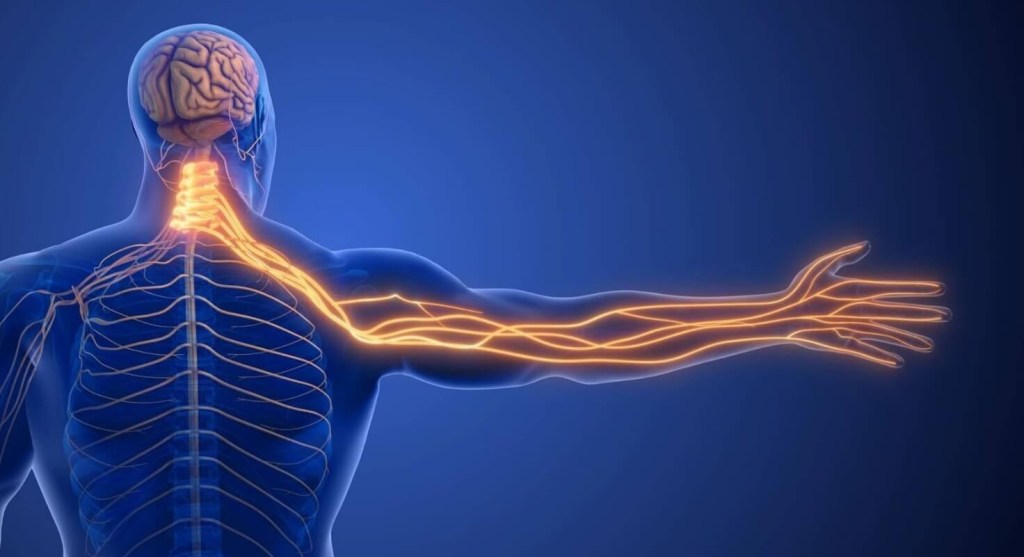
    Peripheral nerve stimulation is an advanced pain management technique that works by sending small electrical impulses to specific nerves responsible for transmitting pain signals. A tiny device is placed near the affected nerve, and the electrical pulses help interrupt pain signals before they reach the brain.

    Many patients consider peripheral nerve stimulation when traditional treatments like medications, physical therapy, or injections have not provided enough relief. Because it targets nerves directly, it can be effective for conditions such as chronic back pain, nerve injuries, post-surgical pain, and certain neuropathic conditions.

    Understanding Peripheral Nerve Stimulation Cost

    The peripheral nerve stimulation cost in a St. Pete clinic can vary depending on several factors. These typically include the type of device used, the complexity of the procedure, diagnostic evaluations, and whether a temporary trial is performed before permanent placement.

    At Florida Medical Pain Management, patients usually begin with a consultation and evaluation to determine if peripheral nerve stimulation is the right solution. A short trial procedure may be recommended first to see how effectively the therapy reduces pain. If the trial is successful, the provider may recommend a longer-term implant.

    Insurance coverage can also influence the final cost. Many insurance providers and Medicare plans may cover part of the treatment when it is medically necessary. The clinic team helps patients understand their benefits and available options so they can make informed decisions about their care.

    Why Patients in St. Pete Choose Florida Medical Pain Management

    Florida Medical Pain Management focuses on patient-centered care and evidence-based treatments. The clinic offers a range of advanced pain management solutions, including peripheral nerve stimulation, designed to improve quality of life for people struggling with chronic pain.

    Patients appreciate the clinic’s personalized treatment plans, experienced medical professionals, and supportive staff who guide them through each stage of care. From consultation to recovery, the goal is to provide safe and effective pain relief strategies tailored to each individual.

    Take the First Step Toward Pain Relief

    Living with chronic pain doesn’t have to be your long-term reality. If you are exploring treatment options, learning about peripheral nerve stimulation may be an important step toward reclaiming your daily comfort and mobility.

    Contact Florida Medical Pain Management today to schedule a consultation and learn more about peripheral nerve stimulation and the potential treatment costs available in the St. Pete clinic. With the right care plan, relief may be closer than you think.

    This article was written by a medical professional at Florida Medical Pain Management. Florida Medical Pain Management is proud to offer comprehensive pain management services to a diverse group of patients. Patients at Florida Medical Pain Management can get help managing hip, knee, leg, and neck pain. The practice also offers comprehensive arthritis management, along with treatments for auto accidents, sports, and work injuries. Click Here to learn more!

  • 5 Holistic Approaches to Managing Chronic Back Discomfort

    5 Holistic Approaches to Managing Chronic Back Discomfort

    Living with chronic back discomfort can feel overwhelming, but there are holistic approaches that can help restore balance, reduce pain, and improve quality of life. Instead of focusing only on temporary relief, these methods encourage long-term healing and overall wellness. By combining lifestyle changes, professional care, and mindful practices, many people find lasting comfort and renewed strength.

    Embracing Gentle Movement and Targeted Exercise

    Movement is one of the most powerful tools for managing chronic back discomfort. While rest may seem like the natural response to pain, prolonged inactivity often worsens stiffness and reduces mobility. Gentle exercises such as walking, swimming, or yoga can strengthen muscles that support the spine and improve flexibility. Core-strengthening routines, when done safely, help stabilize the lower back and reduce strain during daily activities.

    Consistency is key. Even short sessions of stretching or light exercise can make a difference when practiced regularly. For those hesitant to begin, working with a physical therapist or fitness professional ensures that movements are tailored to individual needs and limitations. Over time, these exercises not only ease discomfort but also build resilience, making the body less vulnerable to future flare-ups.

    Considering Chiropractic Care

    Chiropractic care offers a hands-on approach to relieving chronic back discomfort. Through spinal adjustments and targeted therapies, chiropractors aim to restore proper alignment and reduce pressure on nerves and muscles. This can lead to improved mobility, reduced inflammation, and a noticeable decrease in pain.

    Many patients benefit from chiropractic care offered by professionals, like AFC Physical Medicine & Chiropractic, where treatments are customized to address specific conditions. Beyond adjustments, chiropractic care often includes lifestyle guidance, posture correction, and therapeutic exercises that support long-term recovery. For individuals seeking a non-invasive option, chiropractic care provides a holistic path that focuses on both immediate relief and preventive wellness.

    Practicing Mindfulness and Stress Reduction

    Stress is closely linked to chronic pain. When the body is tense, muscles tighten, and discomfort intensifies. Mindfulness practices such as meditation, deep breathing, and guided relaxation can help break this cycle. By calming the nervous system, these techniques reduce muscle tension and promote a sense of ease.

    Mindfulness also shifts focus away from pain, allowing individuals to regain control over their experience. Even a few minutes of daily meditation can improve mood, lower stress hormones, and enhance sleep quality—all of which contribute to better pain management. Over time, mindfulness becomes a powerful tool for resilience, helping people cope with discomfort while fostering emotional balance.

    Supporting Recovery Through Nutrition and Hydration

    What we eat plays a significant role in how our bodies respond to chronic discomfort. Anti-inflammatory foods such as leafy greens, berries, fatty fish, and nuts can help reduce swelling and support healing. Staying hydrated is equally important, as dehydration can worsen muscle stiffness and joint pain.

    A balanced diet rich in vitamins and minerals strengthens bones, nourishes muscles, and supports overall wellness. Limiting processed foods, sugar, and excess caffeine can also reduce inflammation and improve energy levels. By making mindful choices at the table, individuals give their bodies the fuel needed to repair and maintain spinal health. Nutrition becomes not just a source of energy but a foundation for long-term comfort.

    Creating a Supportive Sleep Environment

    Sleep is essential for healing, yet chronic back discomfort often disrupts rest. A supportive sleep environment can make a significant difference. Choosing a mattress that provides proper spinal alignment and using pillows to support natural curves helps reduce strain during the night. Sleeping positions also matter—lying on the back with a pillow under the knees or on the side with a pillow between the legs often eases pressure.

    Establishing a calming bedtime routine encourages deeper rest. Gentle stretches, warm baths, or relaxation techniques before bed prepare the body for sleep. Quality rest allows muscles to recover, reduces inflammation, and restores energy for the day ahead. By prioritizing sleep, individuals create a foundation for both physical and emotional healing.

    Conclusion

    Managing chronic back discomfort requires more than quick fixes. Holistic approaches—gentle movement, chiropractic care, mindfulness, nutrition, and supportive sleep—work together to create lasting relief and improved well-being.

    Each step builds strength, reduces pain, and encourages balance in daily life. With patience and consistency, these strategies empower individuals to move forward with optimism and confidence, knowing that comfort and resilience are within reach.

Design a site like this with WordPress.com
Get started