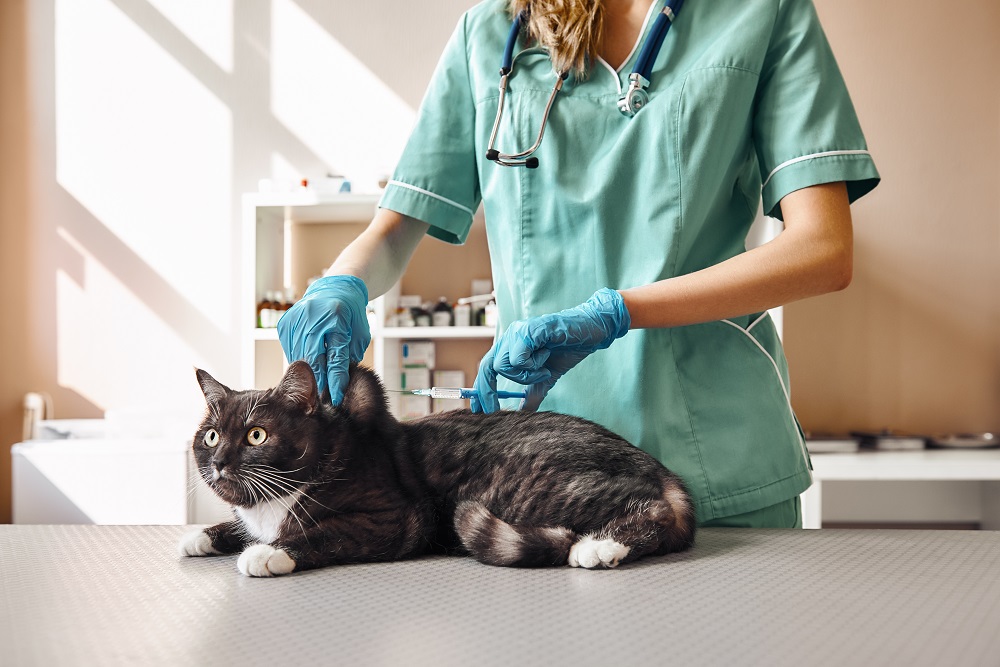
Bringing a new kitten home is an exciting experience, but it also comes with responsibilities. One of the most important steps in keeping your kitten healthy is ensuring they receive proper vaccinations. Vaccines help prevent serious diseases that can affect your kitten’s overall well-being. Understanding why kitten immunizations are essential can make a big difference in their long-term health.
In this guide, we’ll cover the key reasons for vaccinating, what to expect, and how to provide the best care for your furry friend. Whether you’re a first-time cat owner or adding another kitten to your family, knowledge is power. Let’s dive into the details.
Providing Early Protection
One of the primary reasons for vaccinations is early protection. Young kittens are especially vulnerable to infectious diseases, which can spread quickly and cause severe illness. Vaccines work by stimulating the immune system to recognize and fight off these threats before they become dangerous. Common vaccinations protect against diseases like feline viral rhinotracheitis, calicivirus, and panleukopenia.
Administering kitten immunizations on a proper schedule ensures that your little one builds immunity at the right time. Early protection also reduces the risk of complications and hospitalization later in life. By staying on top of vaccinations, you’re giving your kitten the healthiest start possible.
Preventing Serious Diseases
Vaccinations aren’t just routine—they’re a critical tool in disease prevention. Many feline illnesses, like panleukopenia or feline leukemia, can be life-threatening if left unchecked. Even indoor kittens can be exposed to pathogens carried on clothing or through contact with other pets. Preventing these diseases is far easier and safer than trying to treat them after infection.
Vaccinations not only protect your kitten but also help prevent the spread of diseases to other cats. Regular vet checkups ensure that vaccines are administered correctly and at the right intervals. This proactive approach is the cornerstone of responsible pet ownership.
Building Lifelong Immunity
Proper vaccination schedules help build lifelong immunity in kittens. Immunity isn’t instant—it develops gradually through a series of carefully timed shots. Kittens receive their first vaccines at around 6–8 weeks of age, with boosters following every few weeks until they are fully protected. This layered approach ensures that immunity lasts well into adulthood.
Your vet can provide guidance on which vaccines are essential based on your kitten’s lifestyle and health status. Consistency is key, as skipping doses can leave gaps in protection. Building strong immunity early sets the stage for a healthy and happy life.
Supporting Overall Health
Vaccinations contribute to your kitten’s overall health beyond disease prevention. A healthy immune system enables better growth, more energy, and improved quality of life. Vaccinated kittens tend to recover faster from minor illnesses and are less likely to develop severe complications.
Early veterinary care, including immunizations, also allows for health monitoring, such as checking weight, diet, and developmental milestones. Preventive care is always more effective than treating illnesses after they occur. This comprehensive approach ensures your kitten thrives both physically and behaviorally. Taking care of your kitten now pays off for years to come.
Protecting the Community
Kitten vaccinations benefit not just your pet but also the broader feline community. Diseases like feline leukemia and calicivirus can spread quickly among unvaccinated cats. By keeping your kitten up to date, you reduce the likelihood of transmitting illness to other pets in your household or neighborhood. This creates a safer environment for all cats, including strays or shelter animals.
Community protection is especially important if your kitten interacts with other animals in social or outdoor settings. Responsible vaccination practices demonstrate a commitment to animal welfare. Healthy kittens contribute to healthier communities overall.
Ensuring Safe and Effective Practices
Vaccines are carefully tested to ensure safety and effectiveness for kittens. Side effects are often moderate and temporary, such as minor swelling at the injection site or a brief period of weariness. Serious reactions are rare and usually manageable with prompt veterinary care.
Following your vet’s recommended schedule maximizes effectiveness and minimizes risk. Keep a record of your kitten’s vaccinations to stay organized and prepared for future vet visits. Consulting your vet about any concerns or special health conditions ensures your kitten gets the safest care possible. Proper practices build trust and confidence in your pet’s healthcare journey.
Conclusion
Ensuring your kitten receives timely immunizations is one of the most important steps in responsible pet ownership. Early protection, disease prevention, and lifelong immunity all contribute to a healthy, happy feline companion. By vaccinating your kitten and following your vet’s guidance, you’re giving them the best chance at a long, vibrant life.
Vaccinations also protect other cats in your community, promoting overall feline health. Remember, preventive care is always easier than treatment, and it provides peace of mind for every pet parent. With the right schedule and professional guidance, your kitten can thrive from day one. Investing in these small steps now creates a lifetime of benefits for both you and your furry friend.




 Nutraive