Tag: wellness

  • Facing an FAA Medical Deferral? Why You Need a Trusted HIMS AME Right Away

    Facing an FAA Medical Deferral? Why You Need a Trusted HIMS AME Right Away

    Receiving a medical deferral letter from the Federal Aviation Administration can instantly send a pilot into a state of panic and uncertainty. Your entire career feels like it is hanging by a thin thread while your paperwork sits in a massive government bureaucratic pile. It is easy to feel completely isolated when the agency questions your fitness to command an aircraft safely.

    Understanding the specific path forward is the only way to regain control over your aviation future during this difficult professional crisis. Fortunately, the agency provides a structured pathway designed to help qualified pilots safely earn their wings back.

    Understanding the True Weight of a Medical Deferral Notice

    A deferral simply means that your local aviation medical examiner did not have the legal authority to clear you on the spot during your routine physical examination. This typically occurs when a pilot discloses a new diagnosis or a complicated history that requires a more intensive review by Washington decision-makers. It is not an outright denial of your medical privileges, but rather a temporary pause while the agency gathers more detailed clinical evidence to support your case.

    Attempting to respond to these complex agency inquiries by yourself often leads to costly mistakes and extended delays. The government requires highly specific documentation from doctors who understand exactly how medicine intersects with aviation safety regulations. Missing a single deadline can result in a formal denial that takes months to overturn.

    Discovering the Crucial Role of the Specialized Monitoring Program

    When a medical deferral involves substance tracking or complex psychological evaluations, standard examinations are no longer sufficient. The aviation authority relies on the Human Intervention Motivation Study to evaluate long-term recovery and professional stability. This framework brings aviation companies and specialized clinical experts together to build a reliable safety net around the pilot.

    The primary goal of this intensive program is to provide a clear, reliable pathway for professionals to return safely to the cockpit. It treats addiction and mental health challenges with clinical compassion while maintaining strict public safety standards.

    Partnering With a Qualified Specialist to Navigate the Government System

    You cannot visit a regular family doctor to satisfy the rigorous requirements of a complex government deferral. Instead, you must work alongside an advanced medical examiner credentialed to manage high-stakes mental health and substance cases. A specialized clinic that understands this unique path, such as Examine Air, acts as your primary medical sponsor and advocate throughout the entire recertification journey.

    These specialized examiners know exactly how to assemble a comprehensive medical file that meets the precise expectations of federal reviewers. They understand local flight surgeon behaviors, helping you avoid common procedural traps that derail standard applications. This dedicated medical sponsorship transforms an intimidating bureaucratic nightmare into a manageable, step-by-step process.

    Developing a Clear Strategic Roadmap for Your Special Issuance Authorization

    Earning your medical certificate back after a deferral requires securing a special issuance authorization from the federal flight surgeon. This document acts as a conditional medical waiver that allows you to fly while undergoing regular, structured health monitoring. Your specialized examiner will help you coordinate the necessary psychological testing and clinical evaluations required to prove your ongoing fitness for duty.

    This roadmap requires absolute transparency and strict compliance with every rule set by the federal evaluation team. Your sponsor will continuously review your progress to ensure your medical file is flawless before final submission. This careful preparation gives your case the absolute best chance of a favorable decision on the very first try.

    Recognizing the Long-Term Benefits of Staying Committed to the Process

    While the recertification journey requires a significant investment of time, the ultimate reward is reclaiming your identity as a pilot. Walking through this rigorous evaluation process demonstrates to the aviation community that you possess the necessary integrity to manage life’s heaviest challenges. The habits and support networks you build during this monitoring phase will protect your career and your health for decades to come.

    Once you are back in the cockpit, your specialized examiner provides the ongoing sponsorship required to keep your medical waiver active. Having a trusted expert manage your paperwork brings much more confidence to future medical reviews. Protecting your livelihood becomes a collaborative effort rather than a stressful solo battle against a massive regulatory agency.

    Conclusion

    Facing an unexpected medical deferral is a major professional hurdle, but it does not have to signal the definitive end of your aviation career. By understanding how the specialized monitoring system operates and seeking the right professional sponsorship early, you can successfully navigate the federal review process.

    Working alongside a dedicated medical advocate ensures that your file is presented accurately and in full compliance with all safety standards. Taking fast, informed action today allows you to face the complex regulatory system with a steady hand and a clear path back to the skies.


  • 7 Benefits of Bioidentical Hormones That are Worth Discussing

    7 Benefits of Bioidentical Hormones That are Worth Discussing

    Hormonal balance is essential for overall health, yet many people experience disruptive changes as they age or face medical conditions that affect hormone production. These imbalances can lead to other challenges that interfere with daily life. Bioidentical hormones, which are chemically identical to the body’s natural hormones, have emerged as a trusted option for this health dilemma.

    This article will discuss the benefits of bioidentical hormones that offer renewed vitality and long-term wellness.

    Restoring Energy and Vitality

    One of the most immediate benefits of bioidentical hormones is the restoration of energy. Hormonal imbalances often leave individuals feeling exhausted, even after adequate rest. By rebalancing estrogen, progesterone, and testosterone, bioidentical therapy helps the body regain its natural rhythm.

    This renewed energy often translates into greater productivity and a more active lifestyle. People frequently describe feeling like themselves again, with the stamina to enjoy both work and leisure.

    Supporting Emotional Stability

    Hormones directly influence mood, and imbalances can lead to irritability, anxiety, or feelings of sadness. Bioidentical hormones help stabilize these fluctuations. Many patients report feeling calmer, more resilient, and better equipped to handle stress once their hormones are balanced.

    This emotional steadiness can improve relationships, enhance focus, boost mood, and contribute to overall mental health. The ability to regain control over mood is often one of the most valued outcomes of therapy.

    Enhancing Sleep Quality

    Sleep disturbances are common during hormonal changes, particularly in menopause or andropause. Bioidentical hormones can help regulate sleep cycles by addressing the underlying imbalance that disrupts rest.

    This results in improved sleep quality, supporting cognitive function, immune health, and emotional well-being. For many, the ability to sleep soundly again is transformative, allowing them to wake refreshed and ready to face the day.

    Promoting Sexual Health and Intimacy

    Hormonal shifts often affect libido and sexual function, which can impact confidence and relationships. Bioidentical hormones help restore balance in ways that support sexual health. This renewed sense of intimacy can strengthen personal connections and contribute to overall happiness.

    By addressing both physical and emotional aspects of sexual wellness, bioidentical therapy offers a holistic solution that enhances quality of life.

    Strengthening Bone and Muscle Health

    Hormones play a critical role in maintaining bone density and muscle strength. As levels decline with age, the risk of osteoporosis and muscle loss increases. Bioidentical hormones can help slow these changes.

    This benefit is particularly important for long-term mobility and independence, as it reduces the likelihood of fractures and helps maintain physical resilience. Staying active and strong becomes more achievable with balanced hormones.

    Improving Cognitive Function

    Memory lapses, difficulty concentrating, and mental fog are often linked to hormonal imbalance. Bioidentical hormones can help sharpen cognitive function by restoring balance in the brain’s chemical environment. Patients frequently report clearer thinking and improved memory after beginning therapy.

    These cognitive benefits can enhance professional performance and everyday decision-making. For many, regaining mental clarity is as impactful as the physical improvements.

    Receiving Medical Guidance

    The benefits of bioidentical hormones are gained through treatment under the guidance of experienced professionals. Clinics specializing in bioidentical hormone replacement therapy, like Aguirre Specialty Care, provide personalized care that ensures safety and effectiveness.

    These specialists tailor treatment plans to individual needs and make adjustments as necessary. Their expertise helps patients achieve optimal results while minimizing risks, making professional oversight a cornerstone of successful therapy.

    Conclusion

    Bioidentical hormones offer a wide range of benefits that extend far beyond symptom relief. From restoring energy and emotional balance to supporting long-term health, they provide a pathway to greater vitality and well-being.

    Plus, individuals can experience these advantages in a safe and effective way. For those seeking a solution to the challenges of hormonal imbalance, bioidentical therapy represents an option worth serious consideration.

  • What Is a Japanese Head Spa and Why Is Everyone Talking About It?

    What Is a Japanese Head Spa and Why Is Everyone Talking About It?

    A Japanese Head Spa is a specialized scalp treatment that combines deep cleansing, massage, and relaxation techniques to improve scalp health while helping your body unwind. It’s gaining attention because it addresses both hair concerns and stress at the same time—something most traditional salon services don’t focus on.

    Key Takeaways

    • A Japanese Head Spa focuses on scalp health and total relaxation
    • It helps relieve stress, tension, and headaches
    • Promotes stronger, healthier-looking hair
    • Combines cleansing, massage, and aromatherapy
    • Supports better sleep and mental clarity

    What Makes a Japanese Head Spa Different?

    A Japanese Head Spa goes beyond a basic shampoo. It’s a structured, step-by-step treatment designed to detox your scalp and calm your nervous system.

    At Unplugged Head Spa, we offer a transformative experience rooted in the ancient art of Japanese head spa therapy — a holistic practice designed to restore balance between the body, mind, and scalp.

    So what does that actually mean for you?

    Instead of just cleaning your hair, the focus is on improving the condition of your scalp—the foundation of healthy hair.

    What Happens During a Japanese Head Spa?

    A typical Japanese Head Spa session includes several carefully designed steps that work together:

    Deep Scalp Cleansing

    Removes oil, buildup, and impurities that clog hair follicles.

    Gentle Exfoliation

    Helps clear dead skin cells and improves scalp condition.

    Massage Therapy

    Boosts blood circulation, which supports healthier hair growth.

    Aromatherapy and Water Therapy

    Calms your mind while enhancing the overall sensory experience.

    Our Japanese Head Spa treatments are crafted with mindfulness and precision, offering so much more than scalp care. Each session is a therapeutic practice that balances energy flow, encourages healthy hair growth, and renews your entire being.

    Why Is Everyone Talking About It?

    You might be wondering—why now?

    The rise in stress, poor sleep, and scalp issues has led people to look for solutions that go deeper than surface-level care. A Japanese Head Spa directly targets these concerns.

    Many clients report:

    • Relief from tension headaches and migraines
    • Improved focus and mood
    • Better sleep quality
    • Softer, shinier hair

    At Unplugged Head Spa, treatments like Detox Scalp Therapy, Aromatherapy Massage, and Lymphatic Drainage & Neck Massage are designed to enhance these results even further.

    Is a Japanese Head Spa Worth Trying?

    If you’re dealing with buildup, dryness, or constant stress, a Japanese Head Spa can be more than just a relaxing experience—it can support long-term scalp and hair health.

    Experience The Unplugged Headspa Difference:
    Authentic Japanese scalp therapy by trained specialists, a peaceful sanctuary designed for stillness, and natural products that nourish your scalp and hair.

    Conclusion

    A Japanese Head Spa is more than a trend—it’s a practical way to care for your scalp while giving your mind a break. With consistent sessions, you may notice healthier hair, reduced stress, and an overall sense of balance that lasts beyond the treatment.

    Frequently Asked Questions

    What does a Japanese Head Spa do?

    It deeply cleans the scalp, improves circulation, and promotes relaxation.

    How often should I get a Japanese Head Spa?

    Every 2–4 weeks is ideal for maintaining results.

    Is Japanese Head Spa good for hair growth?

    Yes, it supports healthier follicles through better blood flow.

    Can it help with stress and headaches?

    Yes, the massage and aromatherapy help reduce tension and stress.

    Is it suitable for all hair types?

    Yes, treatments are customized for different scalp and hair needs.

    This post was written by a professional at Unplugged Headspa. Unplugged is your destination for authentic Japanese head spa experiences and expert hair services. We specialize in scalp massage, hair detox, and relaxation rituals rooted in traditional Japanese healing practices. Alongside our signature head spa, we offer professional mens hair salon San Diego and women’s haircuts, precision styling, and hair maintenance services. Our team focuses on personalized care, premium products, and a soothing environment that promotes scalp health, stress relief, and refreshed, healthy hair. Whether you need a calming escape or a fresh new cut, Unplugged is the place to disconnect and recharge. 

  • Peripheral Nerve Stimulation Cost in St. Pete Clinic today!

    Peripheral Nerve Stimulation Cost in St. Pete Clinic today!

    Chronic pain can make even simple daily tasks feel overwhelming. For many patients in St. Petersburg, Florida, innovative treatments are opening new doors to long-term relief. One such option is peripheral nerve stimulation, a minimally invasive therapy designed to help manage persistent pain without relying solely on medications. At Florida Medical Pain Management, patients can explore modern solutions that target pain at its source while maintaining a personalized approach to care.

    What Is Peripheral Nerve Stimulation?

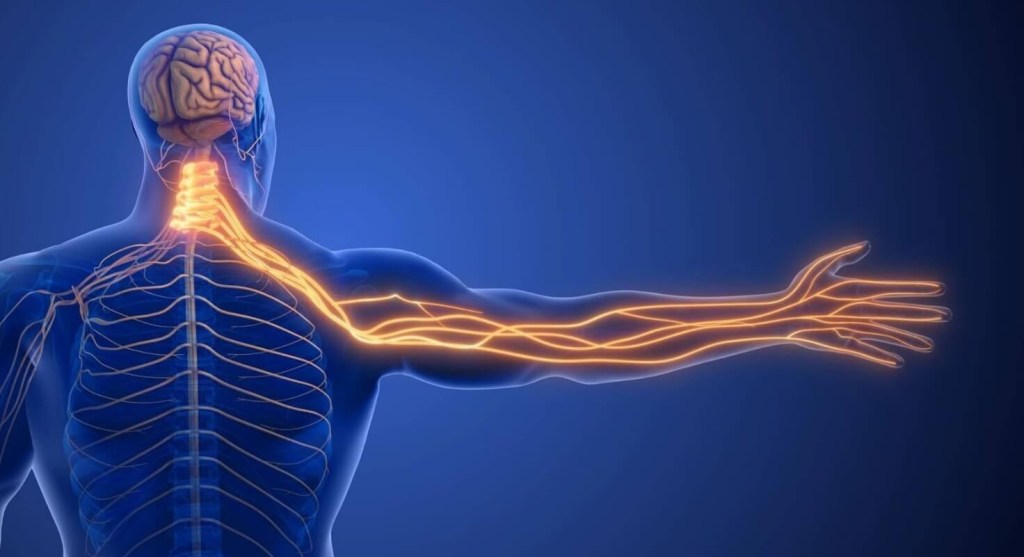
    Peripheral nerve stimulation is an advanced pain management technique that works by sending small electrical impulses to specific nerves responsible for transmitting pain signals. A tiny device is placed near the affected nerve, and the electrical pulses help interrupt pain signals before they reach the brain.

    Many patients consider peripheral nerve stimulation when traditional treatments like medications, physical therapy, or injections have not provided enough relief. Because it targets nerves directly, it can be effective for conditions such as chronic back pain, nerve injuries, post-surgical pain, and certain neuropathic conditions.

    Understanding Peripheral Nerve Stimulation Cost

    The peripheral nerve stimulation cost in a St. Pete clinic can vary depending on several factors. These typically include the type of device used, the complexity of the procedure, diagnostic evaluations, and whether a temporary trial is performed before permanent placement.

    At Florida Medical Pain Management, patients usually begin with a consultation and evaluation to determine if peripheral nerve stimulation is the right solution. A short trial procedure may be recommended first to see how effectively the therapy reduces pain. If the trial is successful, the provider may recommend a longer-term implant.

    Insurance coverage can also influence the final cost. Many insurance providers and Medicare plans may cover part of the treatment when it is medically necessary. The clinic team helps patients understand their benefits and available options so they can make informed decisions about their care.

    Why Patients in St. Pete Choose Florida Medical Pain Management

    Florida Medical Pain Management focuses on patient-centered care and evidence-based treatments. The clinic offers a range of advanced pain management solutions, including peripheral nerve stimulation, designed to improve quality of life for people struggling with chronic pain.

    Patients appreciate the clinic’s personalized treatment plans, experienced medical professionals, and supportive staff who guide them through each stage of care. From consultation to recovery, the goal is to provide safe and effective pain relief strategies tailored to each individual.

    Take the First Step Toward Pain Relief

    Living with chronic pain doesn’t have to be your long-term reality. If you are exploring treatment options, learning about peripheral nerve stimulation may be an important step toward reclaiming your daily comfort and mobility.

    Contact Florida Medical Pain Management today to schedule a consultation and learn more about peripheral nerve stimulation and the potential treatment costs available in the St. Pete clinic. With the right care plan, relief may be closer than you think.

    This article was written by a medical professional at Florida Medical Pain Management. Florida Medical Pain Management is proud to offer comprehensive pain management services to a diverse group of patients. Patients at Florida Medical Pain Management can get help managing hip, knee, leg, and neck pain. The practice also offers comprehensive arthritis management, along with treatments for auto accidents, sports, and work injuries. Click Here to learn more!

  • Why Early Sleep Apnea Treatment Is Critical for Your Health

    Why Early Sleep Apnea Treatment Is Critical for Your Health

    Sleep apnea is more than just loud snoring or occasional restless nights. It is a serious sleep disorder that causes repeated interruptions in breathing throughout the night. These pauses can last seconds or even minutes, reducing oxygen levels and placing significant strain on the body. When left untreated, sleep apnea can lead to severe health complications that affect nearly every system. That’s why understanding and pursuing early sleep apnea treatment is critical for protecting your overall health and quality of life.

    Preventing Serious Cardiovascular Complications

    One of the most dangerous consequences of untreated sleep apnea is its impact on the heart. Each time breathing stops, oxygen levels drop and the brain signals the body to wake up and resume breathing. This repeated cycle increases blood pressure and places constant stress on the cardiovascular system. Over time, this strain can contribute to hypertension, heart disease, irregular heart rhythms, and even stroke.

    Early treatment helps stabilize oxygen levels and reduce nighttime stress on the heart. By maintaining steady breathing patterns, patients can significantly lower their risk of long-term cardiovascular damage. Addressing sleep apnea promptly can be a powerful step toward protecting heart health and preventing life-threatening complications.

    Improving Daytime Energy and Mental Clarity

    Sleep apnea disrupts the natural sleep cycle, preventing the body from reaching the deep, restorative stages of rest. Even if you spend eight hours in bed, frequent awakenings can leave you feeling exhausted. Chronic fatigue, morning headaches, irritability, and difficulty concentrating are common symptoms.

    Early treatment restores healthier sleep patterns, allowing the body and brain to recover properly overnight. As sleep quality improves, patients often notice better focus, enhanced memory, and increased productivity. Treating sleep apnea early can dramatically improve daily performance, mood stability, and overall cognitive function.

    Reducing the Risk of Metabolic Disorders

    Sleep apnea has been closely linked to metabolic issues such as insulin resistance and type 2 diabetes. Repeated drops in oxygen levels and poor sleep quality can interfere with the body’s ability to regulate blood sugar effectively. Additionally, untreated sleep apnea may contribute to weight gain due to hormonal imbalances that affect appetite and metabolism.

    Seeking treatment early helps regulate sleep patterns and stabilize the body’s stress response. This can improve insulin sensitivity and support healthier metabolic function. By addressing sleep apnea before complications develop, individuals can lower their risk of diabetes and other metabolic conditions that may require lifelong management.

    Supporting Emotional and Mental Well-Being

    The effects of sleep apnea extend beyond physical health. Chronic sleep deprivation can take a significant toll on emotional balance. Many individuals with untreated sleep apnea experience anxiety, depression, mood swings, and heightened stress levels. Poor sleep disrupts the brain’s ability to regulate emotions and cope with daily challenges.

    Early intervention can help restore consistent, restorative sleep, which plays a crucial role in mental health. When breathing is stabilized and sleep cycles normalize, emotional resilience often improves. Treating sleep apnea promptly not only enhances physical wellness but also promotes psychological stability and a better overall sense of well-being.

    Enhancing Long-Term Quality of Life

    Untreated sleep apnea can quietly diminish quality of life over time. Persistent fatigue may limit participation in activities, reduce workplace performance, and strain personal relationships. In severe cases, excessive daytime sleepiness increases the risk of accidents, especially while driving or operating machinery.

    Early sleep apnea treatment empowers individuals to regain control of their health and daily routines. Whether through continuous positive airway pressure (CPAP) therapy, oral appliances, lifestyle modifications, or other medical interventions, timely care can prevent complications and improve long-term outcomes. By taking action early, patients can enjoy more energy, better focus, improved relationships, and greater overall vitality.

    Sleep apnea is far more than a nighttime nuisance; it is a serious medical condition that can quietly impact your heart, metabolism, mental health, and overall quality of life. The good news is that early intervention can make a meaningful difference. By recognizing the signs and seeking timely care, you can prevent complications and start experiencing deeper, more restorative sleep. If you suspect you may have sleep apnea, reaching out to professionals for sleep apnea treatment, such as those from Advanced Care Dentistry, is a crucial step toward protecting your long-term health and well-being. Taking action today can lead to healthier nights and brighter, more energized days ahead.

  • 5 Holistic Approaches to Managing Chronic Back Discomfort

    5 Holistic Approaches to Managing Chronic Back Discomfort

    Living with chronic back discomfort can feel overwhelming, but there are holistic approaches that can help restore balance, reduce pain, and improve quality of life. Instead of focusing only on temporary relief, these methods encourage long-term healing and overall wellness. By combining lifestyle changes, professional care, and mindful practices, many people find lasting comfort and renewed strength.

    Embracing Gentle Movement and Targeted Exercise

    Movement is one of the most powerful tools for managing chronic back discomfort. While rest may seem like the natural response to pain, prolonged inactivity often worsens stiffness and reduces mobility. Gentle exercises such as walking, swimming, or yoga can strengthen muscles that support the spine and improve flexibility. Core-strengthening routines, when done safely, help stabilize the lower back and reduce strain during daily activities.

    Consistency is key. Even short sessions of stretching or light exercise can make a difference when practiced regularly. For those hesitant to begin, working with a physical therapist or fitness professional ensures that movements are tailored to individual needs and limitations. Over time, these exercises not only ease discomfort but also build resilience, making the body less vulnerable to future flare-ups.

    Considering Chiropractic Care

    Chiropractic care offers a hands-on approach to relieving chronic back discomfort. Through spinal adjustments and targeted therapies, chiropractors aim to restore proper alignment and reduce pressure on nerves and muscles. This can lead to improved mobility, reduced inflammation, and a noticeable decrease in pain.

    Many patients benefit from chiropractic care offered by professionals, like AFC Physical Medicine & Chiropractic, where treatments are customized to address specific conditions. Beyond adjustments, chiropractic care often includes lifestyle guidance, posture correction, and therapeutic exercises that support long-term recovery. For individuals seeking a non-invasive option, chiropractic care provides a holistic path that focuses on both immediate relief and preventive wellness.

    Practicing Mindfulness and Stress Reduction

    Stress is closely linked to chronic pain. When the body is tense, muscles tighten, and discomfort intensifies. Mindfulness practices such as meditation, deep breathing, and guided relaxation can help break this cycle. By calming the nervous system, these techniques reduce muscle tension and promote a sense of ease.

    Mindfulness also shifts focus away from pain, allowing individuals to regain control over their experience. Even a few minutes of daily meditation can improve mood, lower stress hormones, and enhance sleep quality—all of which contribute to better pain management. Over time, mindfulness becomes a powerful tool for resilience, helping people cope with discomfort while fostering emotional balance.

    Supporting Recovery Through Nutrition and Hydration

    What we eat plays a significant role in how our bodies respond to chronic discomfort. Anti-inflammatory foods such as leafy greens, berries, fatty fish, and nuts can help reduce swelling and support healing. Staying hydrated is equally important, as dehydration can worsen muscle stiffness and joint pain.

    A balanced diet rich in vitamins and minerals strengthens bones, nourishes muscles, and supports overall wellness. Limiting processed foods, sugar, and excess caffeine can also reduce inflammation and improve energy levels. By making mindful choices at the table, individuals give their bodies the fuel needed to repair and maintain spinal health. Nutrition becomes not just a source of energy but a foundation for long-term comfort.

    Creating a Supportive Sleep Environment

    Sleep is essential for healing, yet chronic back discomfort often disrupts rest. A supportive sleep environment can make a significant difference. Choosing a mattress that provides proper spinal alignment and using pillows to support natural curves helps reduce strain during the night. Sleeping positions also matter—lying on the back with a pillow under the knees or on the side with a pillow between the legs often eases pressure.

    Establishing a calming bedtime routine encourages deeper rest. Gentle stretches, warm baths, or relaxation techniques before bed prepare the body for sleep. Quality rest allows muscles to recover, reduces inflammation, and restores energy for the day ahead. By prioritizing sleep, individuals create a foundation for both physical and emotional healing.

    Conclusion

    Managing chronic back discomfort requires more than quick fixes. Holistic approaches—gentle movement, chiropractic care, mindfulness, nutrition, and supportive sleep—work together to create lasting relief and improved well-being.

    Each step builds strength, reduces pain, and encourages balance in daily life. With patience and consistency, these strategies empower individuals to move forward with optimism and confidence, knowing that comfort and resilience are within reach.

  • Kratom for Energy and Focus: Can It Be a Natural Alternative to Caffeine?

    Kratom for Energy and Focus: Can It Be a Natural Alternative to Caffeine?

    As people increasingly seek natural alternatives to conventional stimulants like caffeine, kratom has emerged as a potential solution. Native to Southeast Asia, kratom has long been used for its medicinal properties, but recently, it has gained attention for its possible role as a natural energy and focus booster. With many individuals turning to kratom to enhance their daily productivity, the question arises: can it truly replace caffeine and provide a similar or even better experience without the crash?

    How Kratom Affects Energy and Focus

    Kratom’s effects on energy and focus stem from its interaction with the brain’s opioid receptors, with the intensity of the effects depending on the dose. At lower doses, kratom tends to have a stimulating effect, similar to caffeine. The alkaloid mitragynine, one of the primary compounds in kratom, can boost mood, improve alertness, and create a sense of euphoria. These effects make kratom appealing to those looking for a natural way to enhance energy and focus throughout the day.

    The Benefits of Kratom Over Caffeine

    One of the main benefits of kratom compared to caffeine is that it typically doesn’t produce the jitteriness or anxiety that many people experience after drinking coffee. Caffeine, especially in large amounts, can create a nervous, overstimulated feeling that makes some users uncomfortable. Kratom’s effects, in contrast, are often described as smoother and more controlled, providing a steady energy boost without the rollercoaster-like ups and downs associated with caffeine.

    The Risks and Considerations of Kratom

    Despite the potential benefits, there are important risks to consider when using kratom as a caffeine alternative. Kratom can be habit-forming, and regular use may lead to tolerance, requiring higher doses to achieve the same effects. Over time, this can result in physical dependence. Kratom can also cause side effects, including nausea, dizziness, and dry mouth, especially at higher doses. As with any substance, it’s essential to use kratom responsibly to minimize these risks.

    Conclusion

    While kratom offers a promising natural alternative to caffeine for energy and focus, it is not without its risks. For those who are sensitive to caffeine or looking for a more balanced energy boost, kratom can be an effective option. However, it’s crucial to be mindful of the potential for dependence and side effects. As with any supplement, it’s wise to approach kratom with caution, use it in moderation, and consult a healthcare professional if needed.

    This post was written by a professional at Tribe Wholesale. Tribe Wholesale delivers kratom you can count on — fresh, tested, and ethically sourced from trusted Southeast Asian farms. Built by true kratom fans, we focus on quality over quantity, offering shop owners and home brewers pure, lab-verified kratom every time. This is the place to buy kratom online — wholesale or in bulk — with every batch tracked, tested, and proven for purity, potency, and safety. 100% transparency. 100% trust.

  • Rare Disorders and Their Unique Paths to Treatment

    Rare Disorders and Their Unique Paths to Treatment

    When it comes to rare disorders, each condition often requires a highly specialized approach to diagnosis and care. Unlike common illnesses with established treatment plans, rare disorders challenge both patients and healthcare providers to explore individualized solutions. From complex genetic syndromes to conditions that affect only a small group of people worldwide, understanding their unique treatment paths can shed light on how medicine continues to evolve.

    Even some more familiar conditions, like certain eating disorders or chronic snoring, have distinctive underlying causes that make their treatment journeys unique. Let’s explore how medical experts manage these uncommon and challenging conditions while improving patients’ quality of life.

    Genetic Disorders: Precision Medicine in Action

    Genetic disorders are among the most challenging conditions to diagnose and treat because they often involve mutations that alter how the body functions at a cellular level. Advances in genomics have allowed doctors to develop precision medicine—an approach that tailors treatment to an individual’s unique DNA profile. This means therapies can now be designed to target the specific gene mutation causing the disorder, rather than treating symptoms alone.

    For example, certain enzyme replacement therapies and gene-editing techniques have offered hope to patients with conditions like cystic fibrosis or Gaucher disease. While research is still ongoing, early results are promising and point toward a more personalized future in medicine.

    Doctors and scientists continue to work together to uncover how these treatments can be safely adapted for widespread use. It’s an area where innovation and compassion meet to bring new possibilities to those who once had limited options.

    Autoimmune and Inflammatory Disorders: Balancing the Body’s Defense

    Autoimmune disorders occur when the body’s immune system mistakenly attacks healthy tissue, leading to chronic inflammation and discomfort. Conditions like lupus, scleroderma, and rheumatoid arthritis may share symptoms, but each requires a unique management plan to keep the immune response under control. Modern treatment often includes a mix of immunosuppressive medications, dietary adjustments, and lifestyle changes aimed at reducing flare-ups.

    Researchers are also exploring biologic therapies that target specific immune pathways to minimize side effects while improving results. The challenge lies in finding the right balance—calming the immune system without weakening it too much. Because each case can vary widely, treatment plans are highly individualized and adjusted over time. With continuous monitoring and patient collaboration, many individuals find ways to live active, fulfilling lives despite these chronic conditions.

    Eating Disorders: A Journey of Mind, Body, and Recovery

    Eating disorders are complex mental and physical health conditions that require specialized care and understanding. While often misunderstood, they are not simply about food—they’re deeply tied to emotions, self-image, and control. Effective treatment involves addressing both the psychological and physiological aspects through a multidisciplinary approach. This includes therapy, nutritional counseling, and sometimes residential care for more intensive recovery needs.

    Facilities like Center for Change provide structured environments where individuals can safely rebuild their relationship with food and themselves. Recovery is rarely linear, but with compassionate guidance and medical support, many individuals rediscover balance and self-acceptance. Continued awareness and education remain essential to reducing stigma and encouraging those struggling to seek help early.

    Snoring and Sleep-Related Disorders: More Than Just a Nighttime Nuisance

    Snoring may seem like a common issue, but in some cases, it signals underlying conditions such as sleep apnea or airway obstruction. Persistent snoring can lead to poor sleep quality, fatigue, and even cardiovascular problems if left untreated. Modern approaches to treatment have moved beyond bulky machines and surgery, offering more comfortable, office-based solutions.

    Clinics such as GNO Snoring & Sinus focus on personalized care for patients experiencing snoring and other ear, nose, and throat conditions.By identifying structural or sinus-related causes, specialists can recommend minimally invasive treatments that improve breathing and sleep quality. Addressing snoring not only enhances rest but also prevents long-term health complications. With proper assessment and care, a peaceful night’s sleep becomes achievable once again.

    Rare Infectious Diseases: Combating the Unseen Threats

    Rare infectious diseases often emerge from uncommon pathogens or unusual environmental exposures, making them difficult to detect and treat. Conditions such as hantavirus, leptospirosis, or certain tropical infections can progress rapidly if not identified early. Because symptoms often mimic more common illnesses, accurate diagnosis relies on advanced laboratory testing and detailed patient history. Treatment typically involves a combination of targeted antibiotics, antiviral medications, and supportive care to manage complications.

    Public health efforts also play a vital role in preventing outbreaks through awareness and monitoring. Researchers are continuously studying these infections to develop vaccines and improve early detection tools. Though rare, these diseases remind us of the importance of global health collaboration and the ongoing need for vigilance in identifying emerging threats.

    Conclusion

    As research continues to expand, the treatment of rare disorders grows more hopeful and innovative. Advances in gene therapy, artificial intelligence, and precision diagnostics are helping doctors identify effective treatments faster than ever before. Collaboration between global researchers, advocacy groups, and patients has also accelerated progress, making rare disease care more accessible. Each success story serves as a reminder that even the rarest conditions deserve attention, compassion, and resources.

    Whether through genetic medicine, mental health treatment, or improving everyday conditions like snoring, the healthcare field is evolving to meet every unique need. The path may be different for each patient, but the goal remains the same—to improve quality of life and foster hope for all.

Design a site like this with WordPress.com
Get started